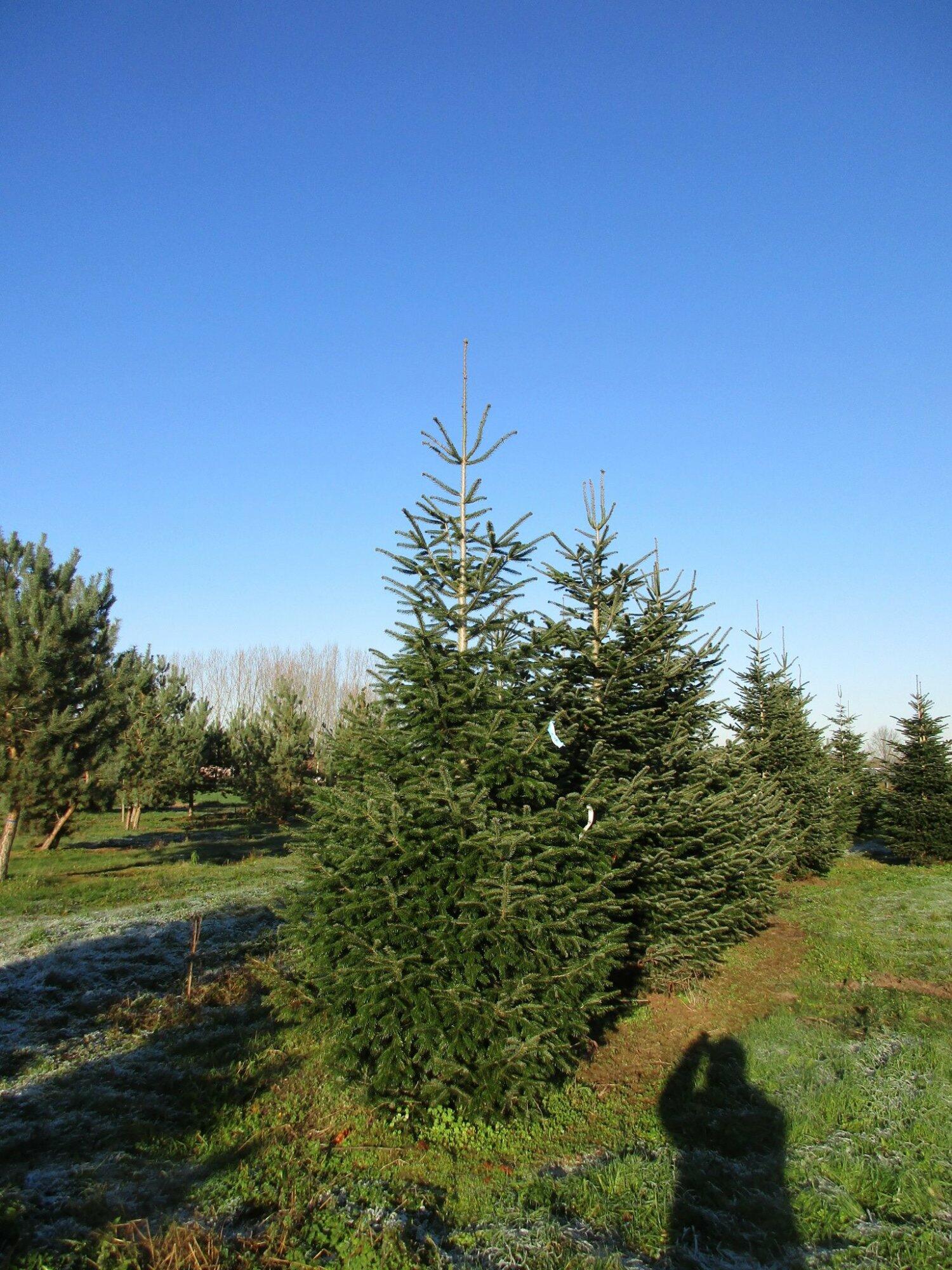
We're taking a closer look at a tree that's a common sight in many living rooms around Christmas time: the Nordmann fir.
Abies nordmanniana is a silver fir named after the Finnish biologist Alexander von Nordmann, who introduced the tree to Western Europe in 1838. The tree is native to the Western Caucasus.
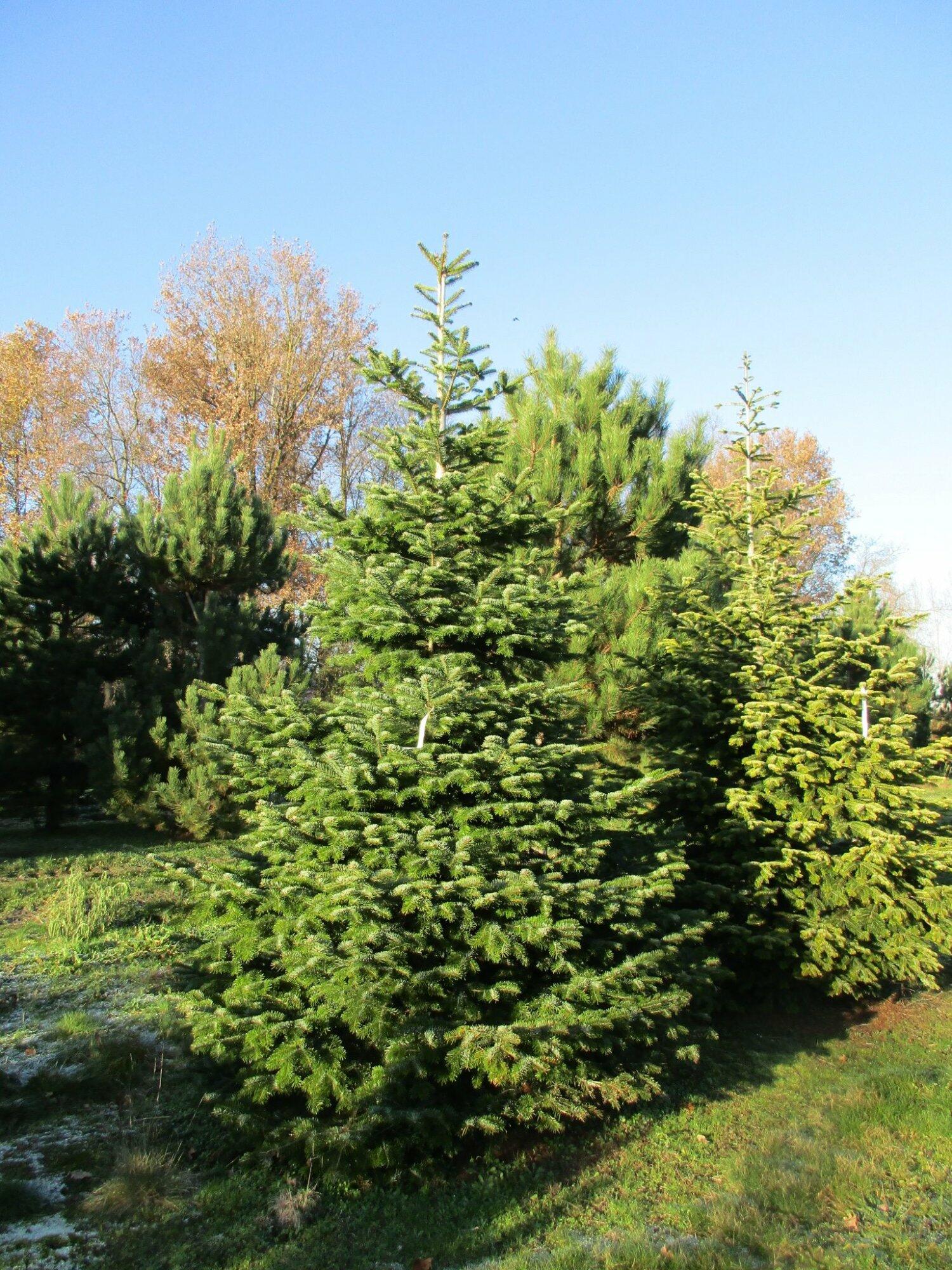
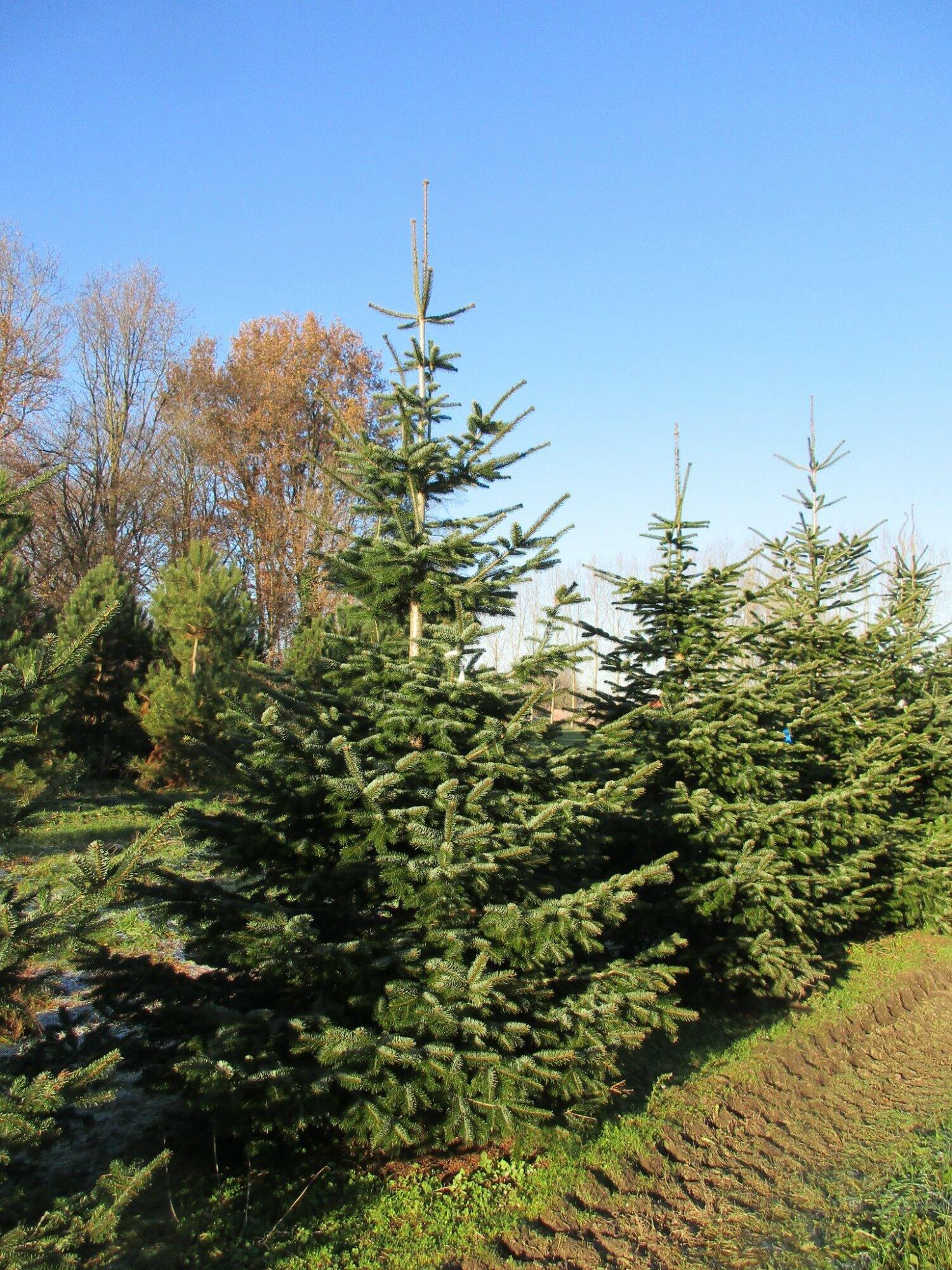
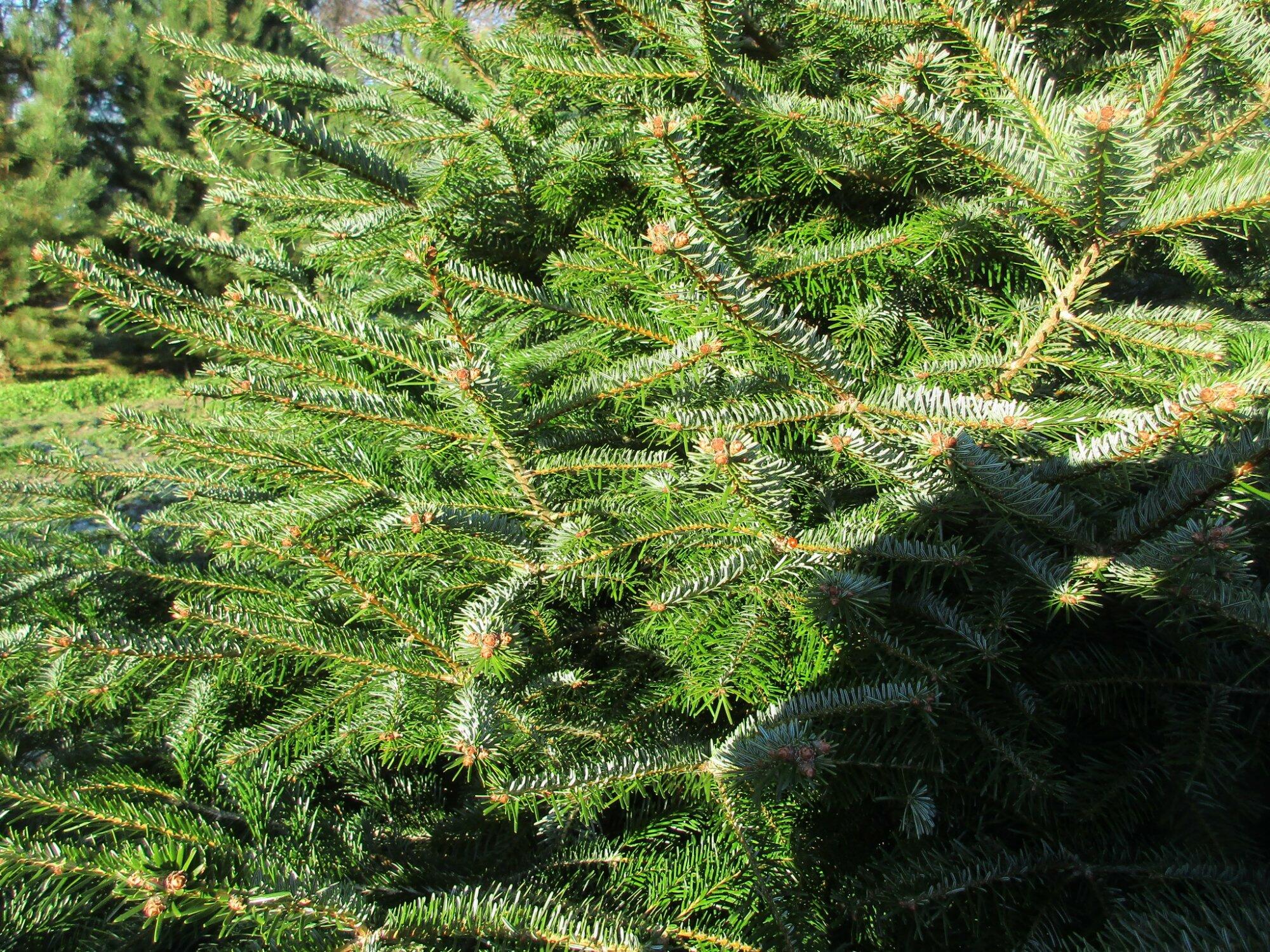
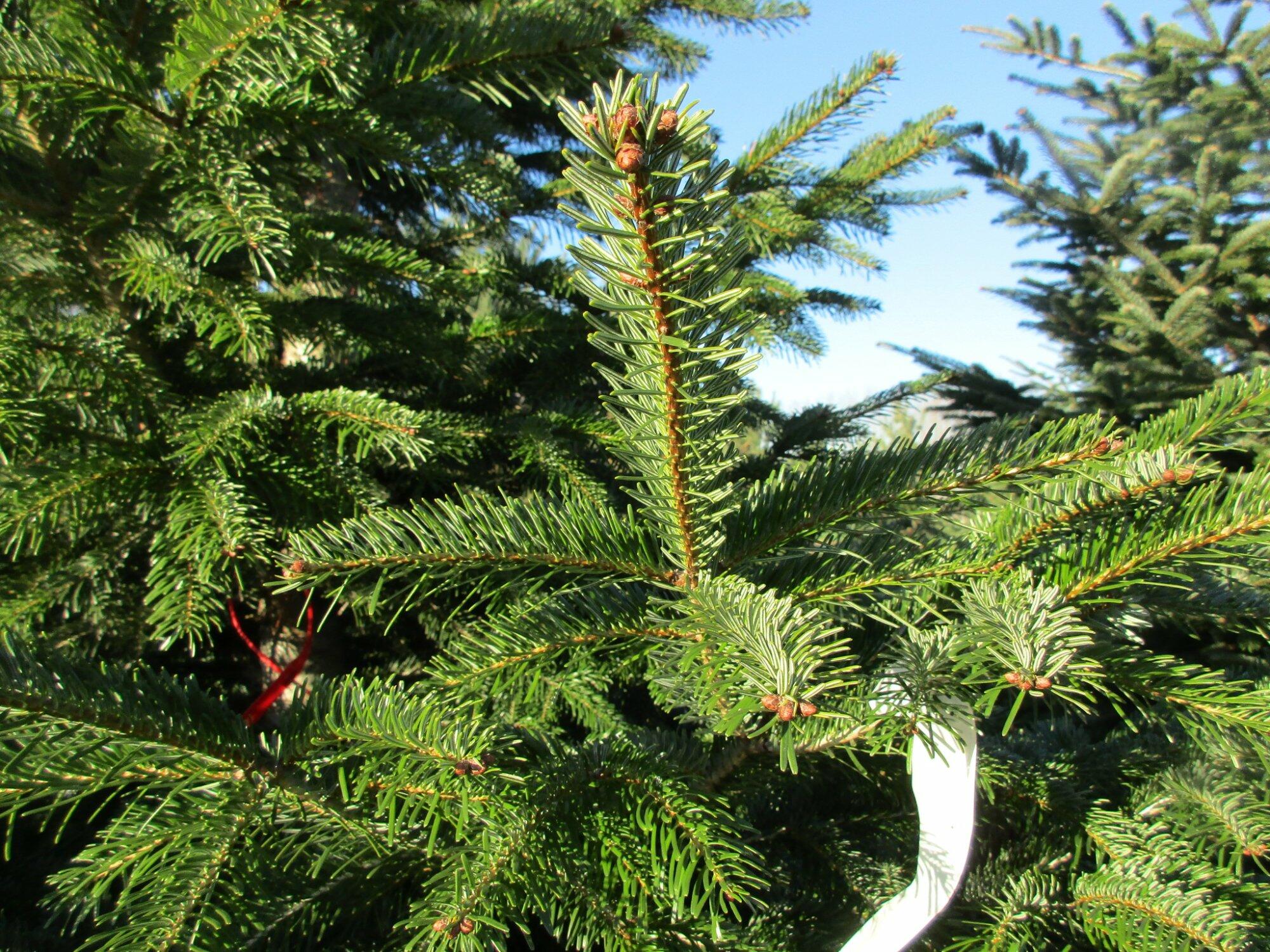
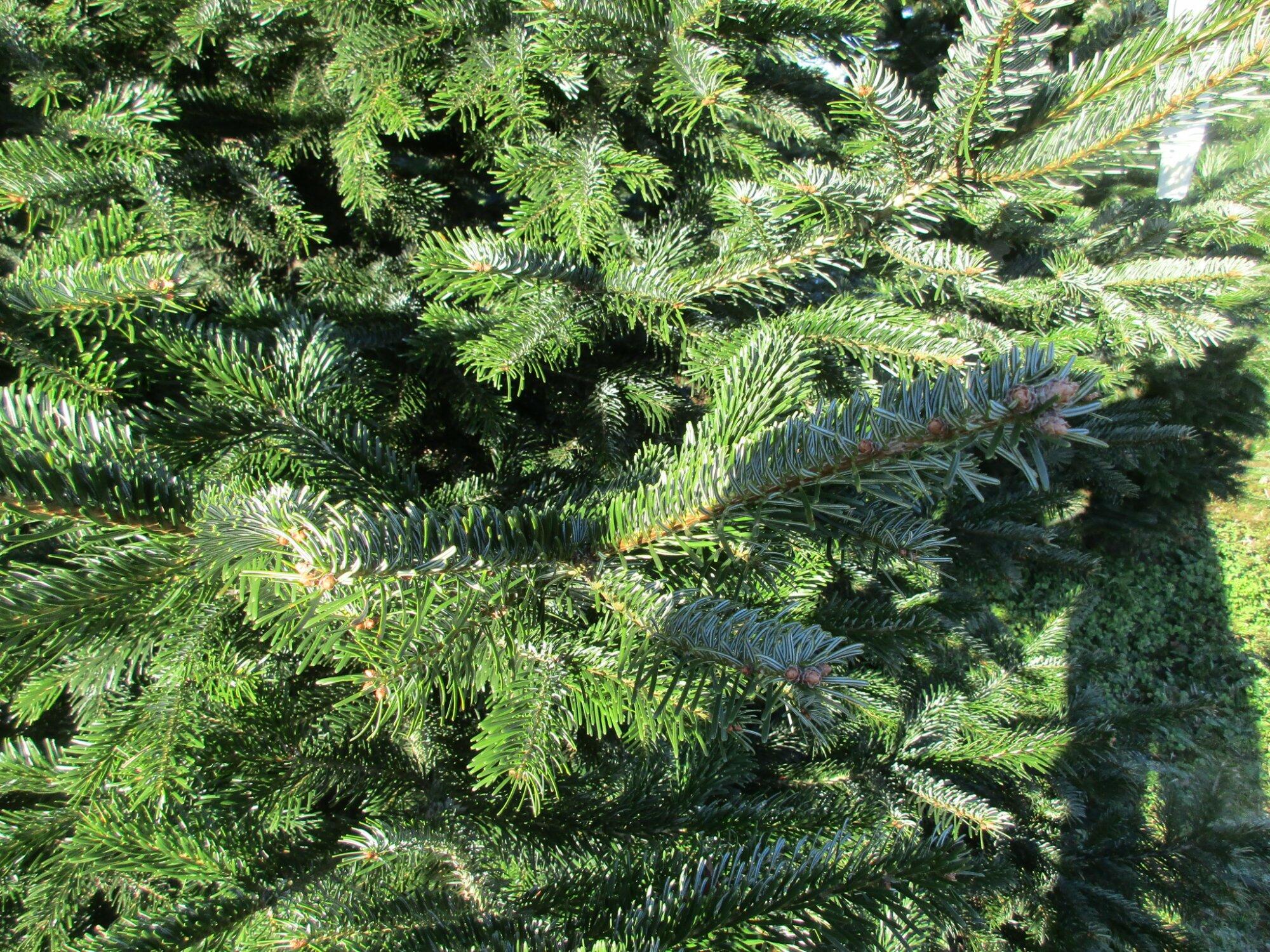
A distinctive feature is the stomatal openings on the underside of the dark green needles. They form two blue-and-white stripes, which give the plant its well-known silvery-gray sheen.
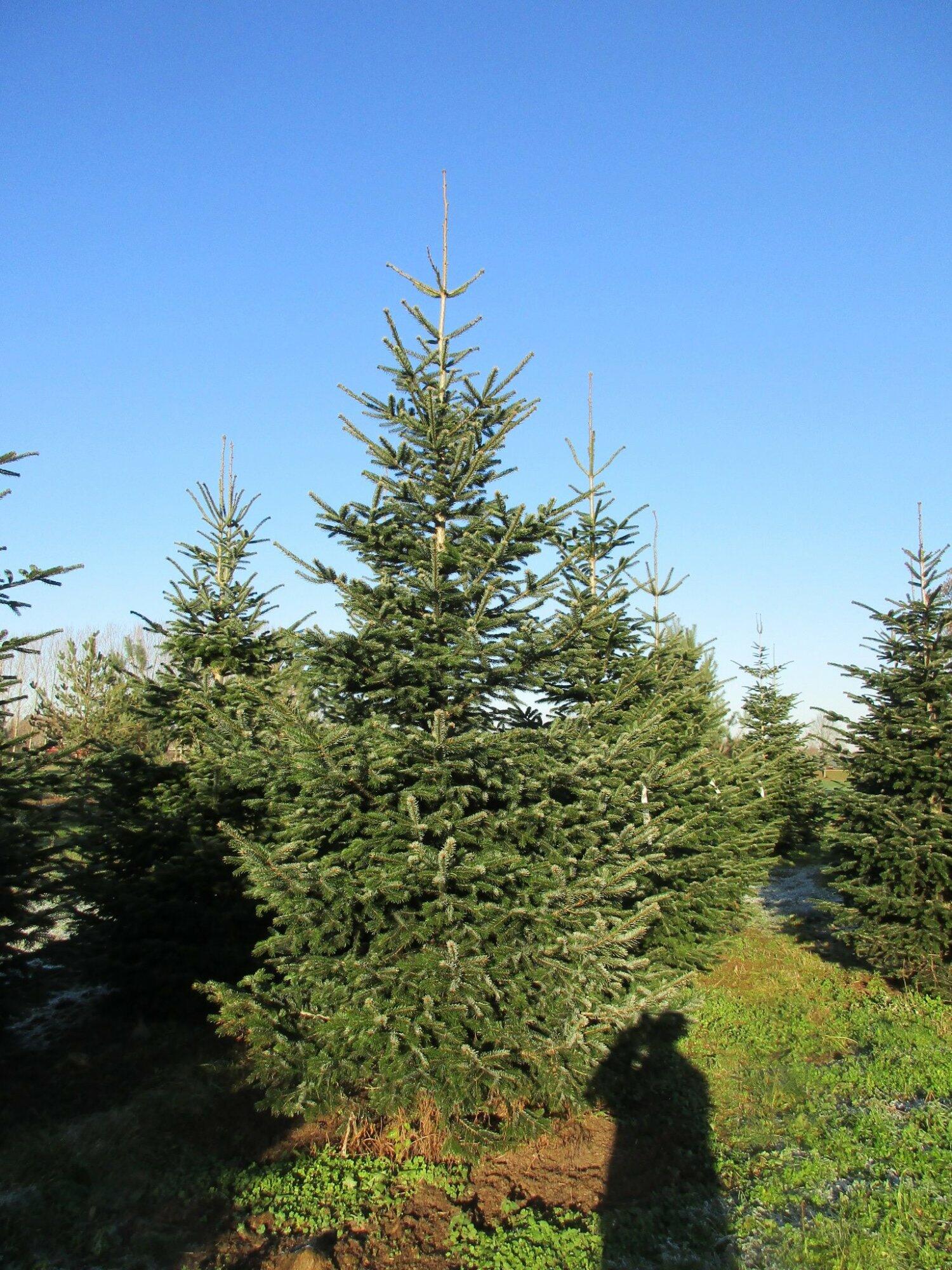
In our country, Abies nordmanniana grows slowly. It has a pyramidal crown. The horizontally growing branches form whorls around the trunk, creating clearly defined tiers. After flowering in April/May, striking cones that change color from green to brown appear in the fall. These cones point upward and thus stand, as it were, straight up on the branches. It is truly a cone-bearing tree.
Evergreen specimen plants can serve as a beautiful backdrop for flowering shrubs and perennials during the growing season. In winter, they add structure to a park, public space, or landscaped garden.
Abies nordmanniana grows in a variety of soil types, preferably in somewhat heavier, moisture-retaining soil. It is suitable as a specimen tree in a lawn or wide green belt. In short, it is a true park tree.
Photos taken at: Holiday Park Hassloch (Germany) and our nursery